Based in Las Vegas, Wenqing Gu works as a freelance illustrator and visual storyteller, with her digital art popping up in children’s books, 2D animation, and editorial projects alike. Drawing from both her Chinese roots and life in America, she infuses her illustrations with warmth, humor, and a dash of wonder—inviting readers and viewers of all ages to step into worlds of imagination.
Her work has picked up international acclaim from big names like the World Illustration Awards, Society of Illustrators, JIA Illustration Award, 3×3, Creative Quarterly, and Applied Arts—solidifying her spot as a standout voice in digital illustration. Gu lives by the mantra “Slow is faster than stuck,” which led her to leave a career in accounting to chase her passion full-time. At the heart of everything she creates is sincerity: “Before my art can move anyone else, it has to move me first. Awards come from being authentic—not the other way around.”
We sat down with Wenqing to talk about her art, her creative process, and what inspires her most.
A Message From Within
Your motto is “Slow is faster than stuck.” What does that mean for you when you’re creating?
When I first got into illustration, I built a consistent, self-driven routine that slowly turned into a full-time job. I’ve always believed in moving forward with purpose—even if it feels like I’m taking baby steps. Those small, intentional efforts add up over time, and they’re what led to honors like American Illustration 44 (Chosen Winner, 2025), Applied Arts (Selected Winner, 2023 & 2025), World Illustration Awards (Longlist, 2024 & 2025), and Society of Illustrators 66 (Selected Winner).
To me, that motto is a reminder: as long as you keep creating—thinking, tweaking, and practicing—you’ll keep pushing your work forward. A lot of the time, you’ll end up further than you ever thought you would.
A Time to Blossom
You’ve worked on children’s books, animation, and editorial illustration—how do you shift your approach to visual storytelling for each one?
With children’s books, I start by really digging into what the writer is trying to say. Since the audience is kids, I focus on making my illustrations fun and easy to follow—something that helps them keep up with the story while sparking their own imagination.
Animation is different—it’s all about personal expression. That’s where I get to tell the stories I want to tell, in the way I want to tell them. I know somewhere out there, someone will connect with the feelings behind the work, and that’s enough.
Editorial illustration is more about boiling down an idea. I usually pick one angle—a metaphor or a visual take on the text—and make it eye-catching but simple to understand. No need to overcomplicate it.
Reviving the Feminine Soul
Your work has been recognized by some of the biggest illustration awards in the world. Has that changed how you approach projects, or how you see yourself as an artist?
My approach hasn’t changed a bit: before my art can move anyone else, it has to move me first. Art needs real emotion and sincerity—if you’re only creating to win awards, you risk losing that authenticity. Awards are nice, don’t get me wrong—they’re a great validation—but they come from being true to yourself, not the other way around. I focus on staying true to my voice and what I want to create, instead of chasing trends or second-guessing what judges might like.
Thousands of Dreams
Can you give an example of a piece that grew from a personal moment?
Sure—my piece Pettopia came from little everyday moments. I see people walking their dogs all the time, and sometimes I bring my own cat along with me. I’ve always thought the love between people and their pets goes both ways—we take care of them, but they take care of us too.
One day, while I was out walking, I had this silly thought: what if my cat, and every other cat and dog, suddenly got huge, and we humans became tiny? In that world, our pets would still love us, protect us, and maybe even see us as their little sidekicks.
That playful idea turned into Pettopia—a whimsical world where size doesn’t matter, and real friendship crosses all boundaries. To my surprise, this piece—something so personal and fun—resonated with a lot of people. It got nods from the World Illustration Awards (Longlist, 2025), Applied Arts (Selected Winner, 2025), Society of Illustrators (Selected Winner, 66th), 3×3 International Illustration Annual (Merit Winner, 20th), Creative Quarterly (Selected Winner, 72nd), and even got selected for the Light Space & Time “Animals” Art Exhibition. It taught me that when you create from real feeling and curiosity, people can sense that—and they’ll connect with it in ways you never expect.
Pettopia
Are there any themes or ideas you keep coming back to in your work?
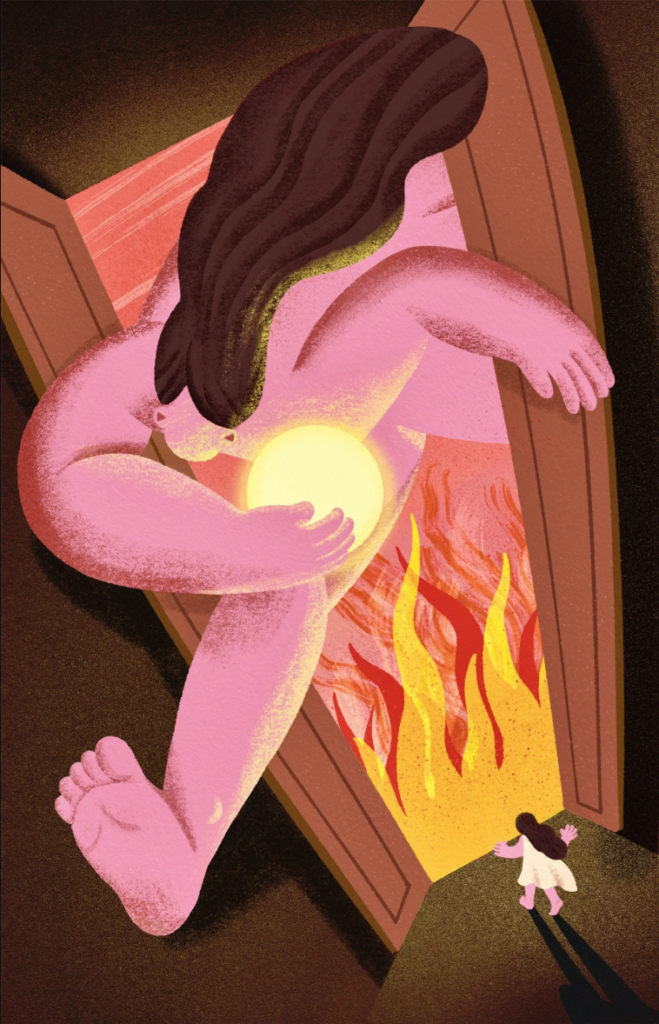
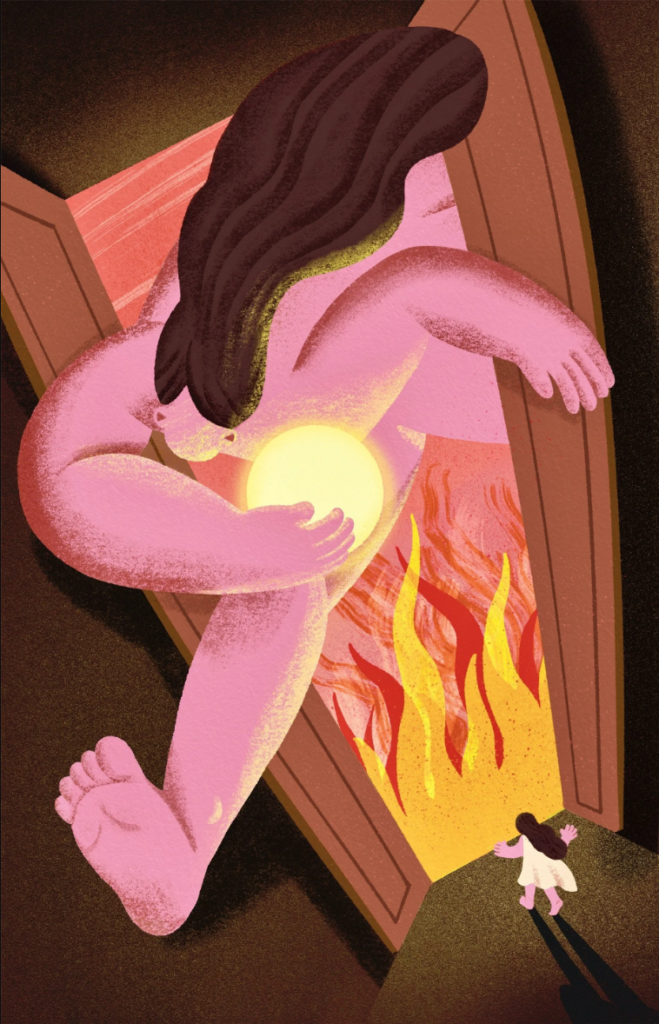
Absolutely—“facing your true self.” For example, my piece Beneath the Masks, which is currently on display at the Los Angeles Center for Digital Art’s Electron Salon, explores that. So does Reviving the Feminine Soul, a piece I made last year. Both are about taking off the masks we wear and embracing who we really are.
Beneath the Masks
What’s something you’ve learned recently that surprised you?
I’ve learned that the pieces I thought were the most personal are often the ones that connect with people the most. Art that comes from my own emotions or experiences has made viewers reach out to me, saying things like, “This is exactly how I feel,” or sharing their own stories. It’s a good reminder: even though our experiences are unique, the feelings behind them are universal. That’s where art hits the hardest—when we share those common emotions.
Human-Machine Concerto
When you’re not creating art, what do you do to fill your time?
I’m pretty active! Every week, I do CrossFit three times, Pilates three times, and Gyrotonics twice. Working out keeps me energized, helps me stay positive, and gives me the consistency I need to keep creating. It’s a nice balance to sitting at my desk all day.
0 条评论