Architecture and Imagination: The AI-Imagined Worlds of Samuvel Benhursha
Samuvel Benhursha is an architectural designer, AI artist, and curator behind Sambenhur Designs, a digital gallery where architecture meets creative imagination. With a background in architecture and a strong focus on sustainability, he offers a distinct perspective at the crossroads of technology, cultural heritage, and design. At the heart of his practice is a deep belief that design should speak to both the senses and the soul.
He uses artificial intelligence as a creative collaborator to envision buildings and environments that push past traditional limits and suggest new ways of living. Drawing inspiration from elegant forms and the intricate complexity of nature, Samuvel’s work often blends futuristic elements with echoes of lost cultures, inviting viewers to reflect on what once was — and what could still be.
His work has been featured in Digital Journal, LA Weekly, Film Daily, Flaunt, and other publications for his thoughtful exploration of how technology and art can revive cultural memory and expand the boundaries of architectural possibility.
We spoke with Samuvel about his art, creative process, and sources of inspiration.
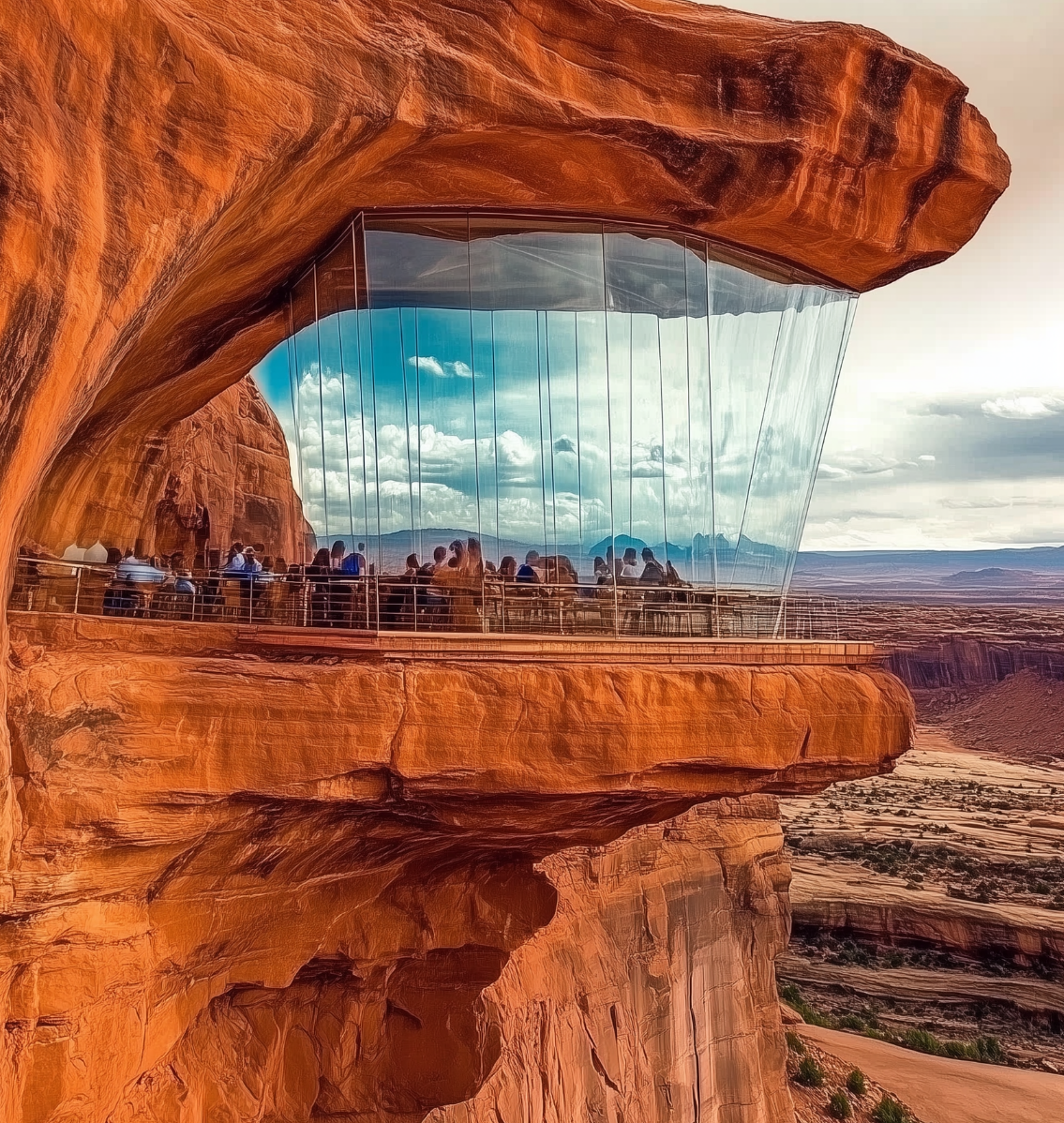
Restaurant in Arches
How does your background in architecture influence your approach to AI-generated designs?
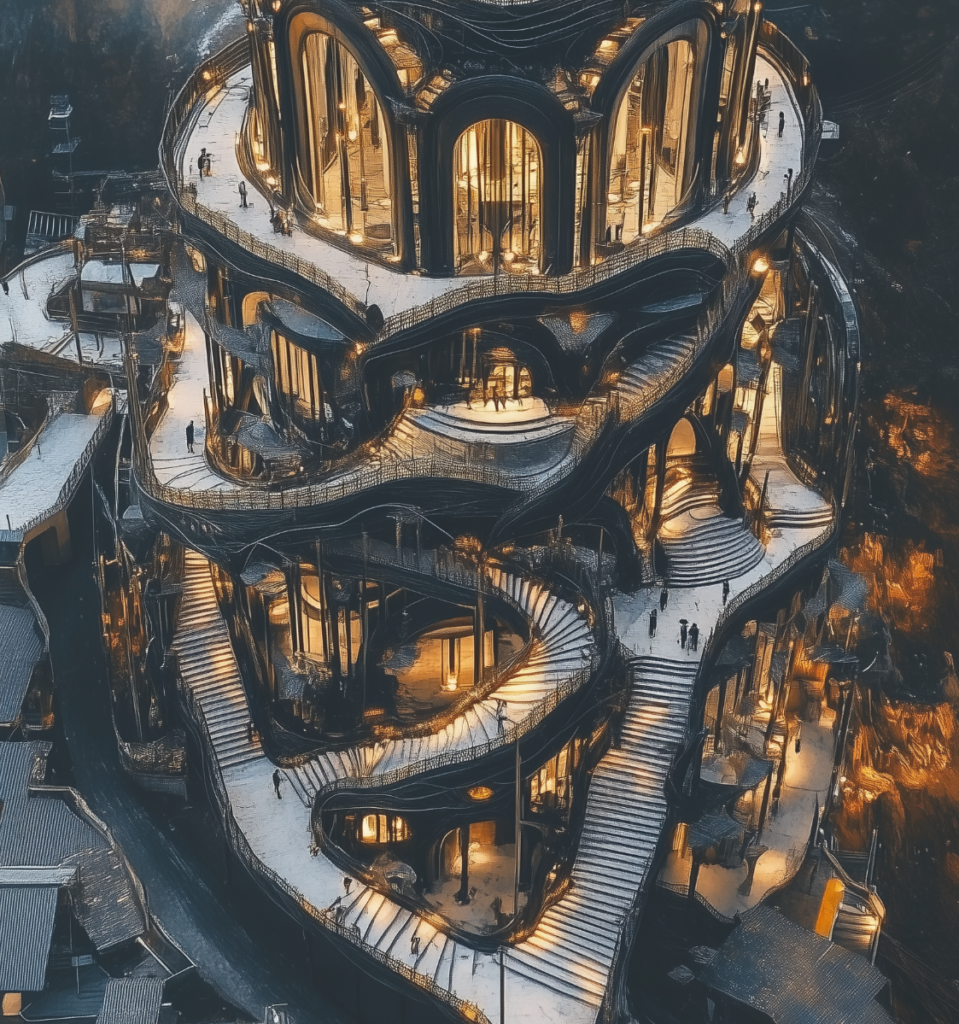
My architectural training deeply shapes how I approach AI-generated design, grounding creativity in a structured yet flexible framework. Art, at its core, is a conversation between creation and logic — a natural paradox that reflects the complexity of our world. In architecture, every new idea grows from understanding and reinterpreting historical examples and structural limits. In the same way, when I work with AI, I start by identifying logical patterns and lessons from existing architectural conditions, building a strong foundation for innovation.
This process captures the subtle tension between abstract imagination and physical reality, a duality central to both architecture and artificial intelligence. By moving intentionally between logic and philosophy, my work strikes a meaningful balance: analytical precision meets creative exploration. Architecture instills a sense of balance, precision, and spatial awareness, guiding my AI-driven designs to be functional and grounded while also imaginative and thought-provoking.
Peacock Themed Residence
Your work often explores the intersection of chaos and order — how do you achieve this balance in your designs?
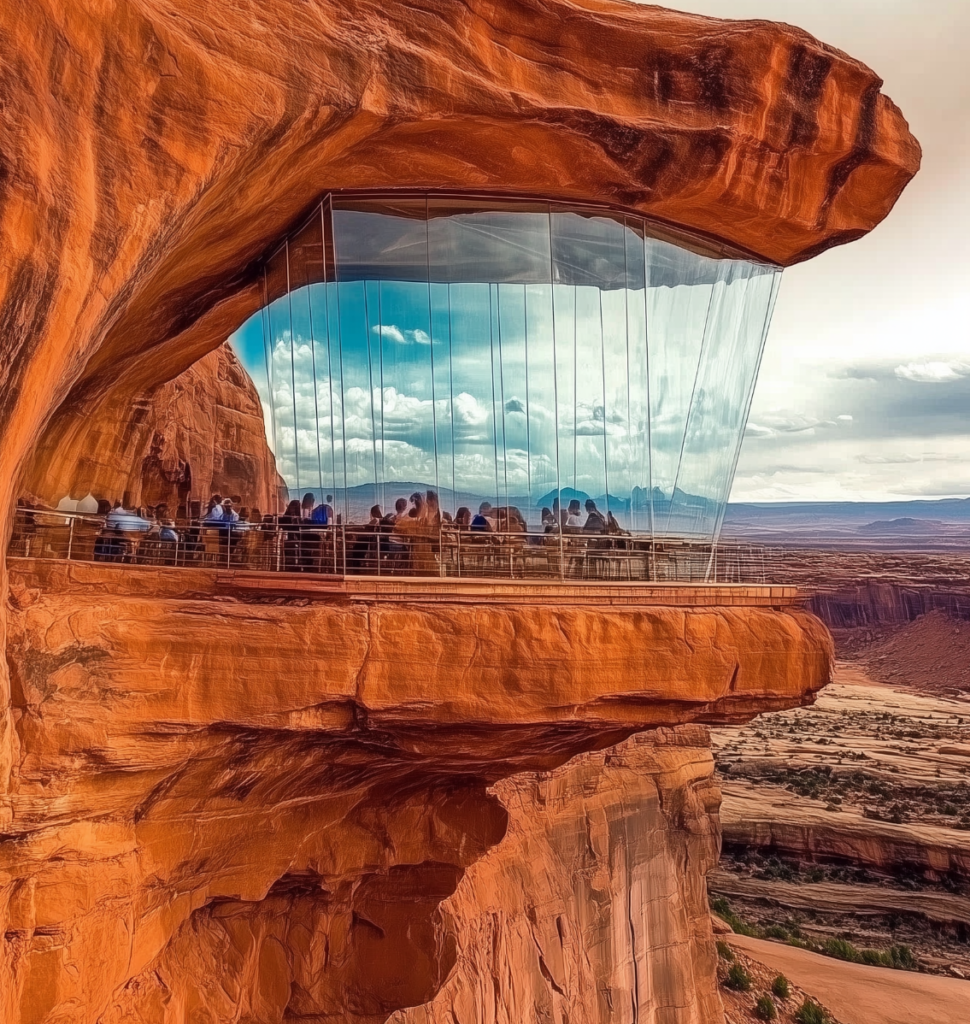
In my work, order stands for structure, stability, and the careful logic that makes a space functional. It involves precision, clarity, and the discipline to address real-world constraints like gravity, materials, and time. Chaos, by contrast, represents spontaneity, unpredictability, and the creative freedom needed to produce truly original results. It holds uncertainty, potential, and the endless possibilities that come from thoughtfully challenging conventional boundaries.
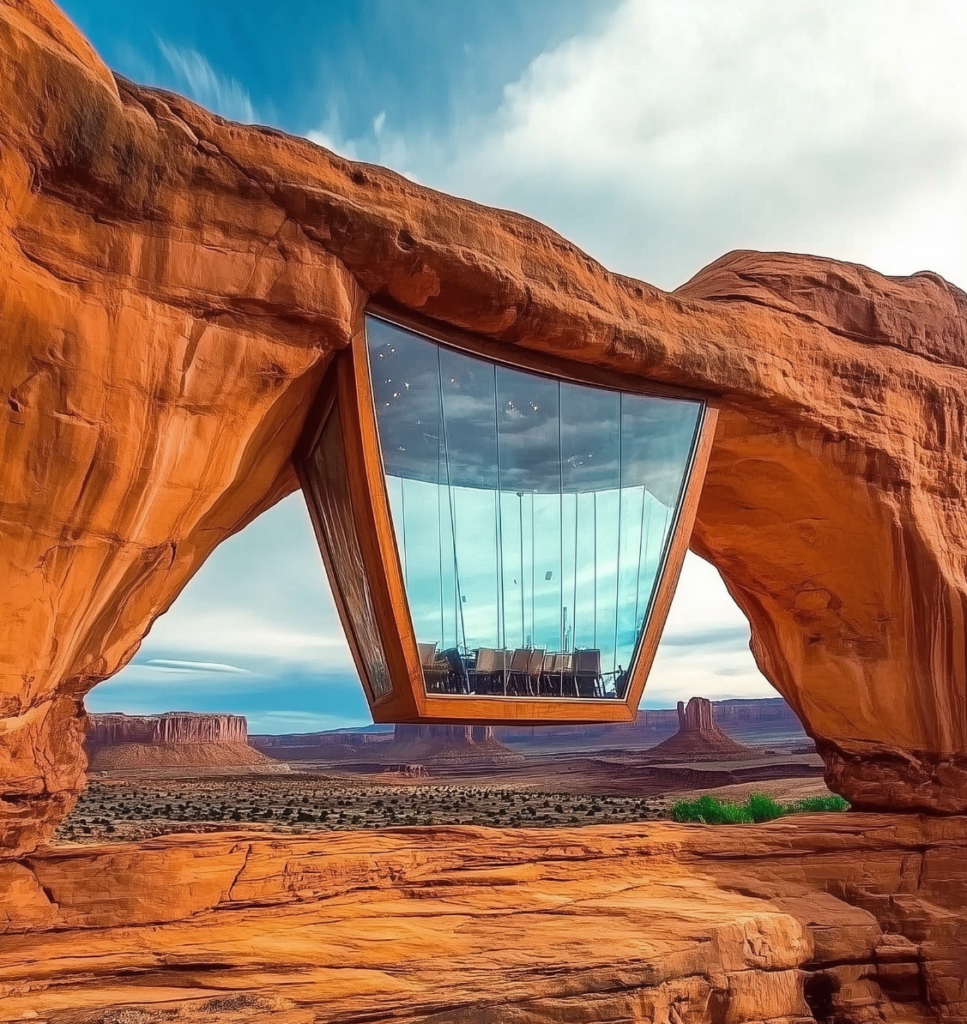
Finding a meaningful balance means placing intentional, disciplined architecture within settings that create creative tension and surprise. The restaurant set among red rock formations is a perfect example: the carefully designed structure (order) sits within a landscape shaped by natural, untamed complexity (chaos). By embracing both at once, my designs deepen the human experience, encouraging people to reflect on their temporary place within the enduring, unpredictable canvas of nature.
In this dialogue between order and chaos, my work shows how creativity flourishes at the meeting point of these opposing yet complementary forces, allowing architecture to reach new levels of expression and experience.
Restaurant in Arches
Can you share a project where AI helped you reimagine an extinct culture or historical style?
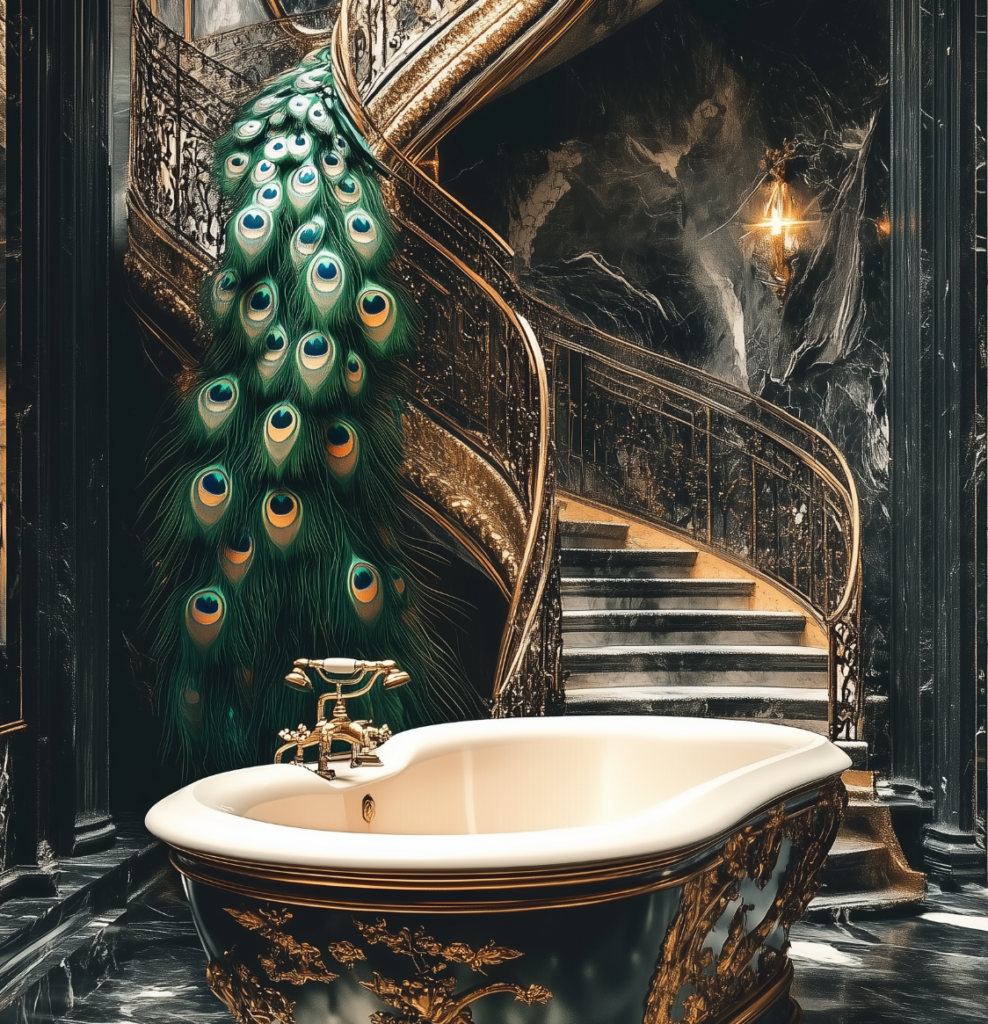
One project merges India’s vivid peacock-inspired aesthetics with Neoclassical architecture, using a modern black-and-gold palette to symbolize the fusion of tradition and contemporary life. This design philosophy echoes Louis Kahn’s idea: “Design is not making beauty; beauty emerges from selection, affinities, integration, love.”
Peacock Themed Residence
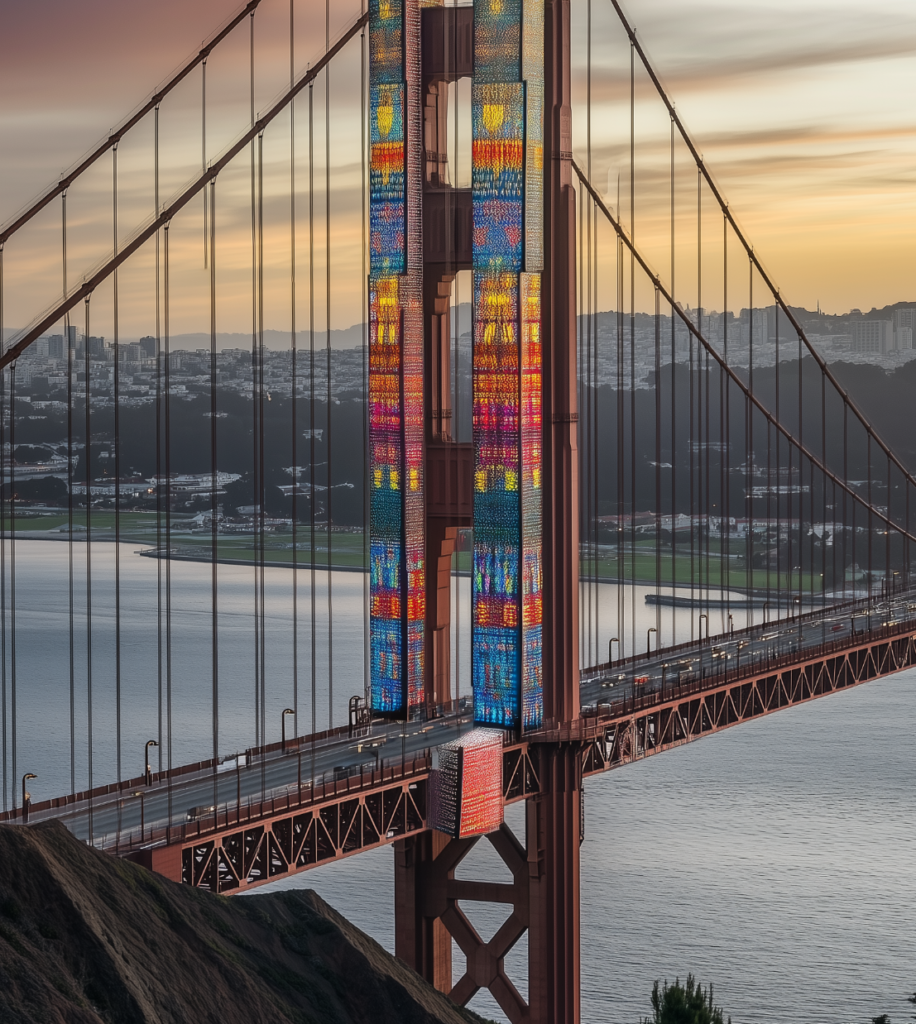
I view San Francisco’s Indigenous cultural heritage as an essential story woven into the city’s identity. It pushes us to recognize and honor the wisdom of its original inhabitants, calling for restored balance and respect in shared public spaces while reflecting the deep, often unspoken truths of history.
Indigenous Cultural Theme
Are there any artists or creative influences that have had a significant impact on your work? How have they shaped your artistic style or approach?
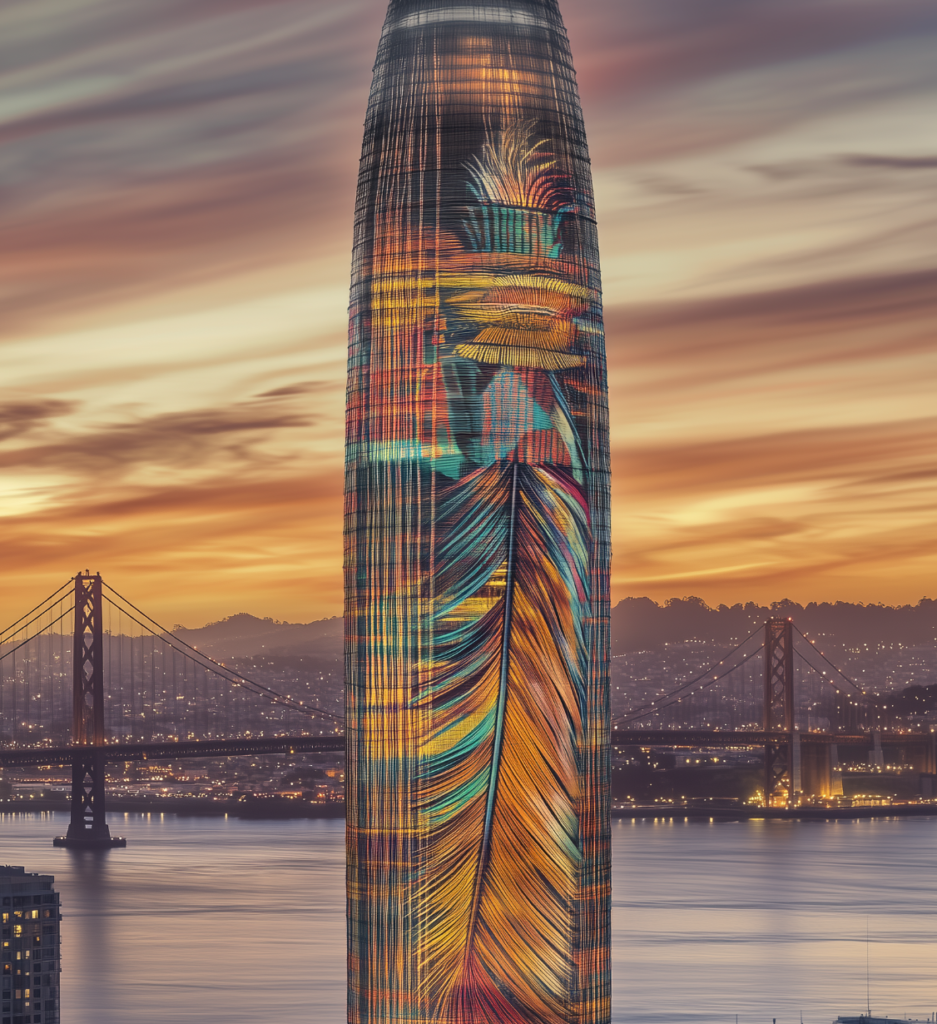
Several influences have shaped my creative vision, but my approach is rooted as much in philosophy as in visual design. Thinkers such as Friedrich Nietzsche and Carl Jung have greatly influenced how I approach architecture and creativity. Nietzsche’s focus on existential authenticity and Jung’s insights into the collective unconscious and archetypal symbolism helped me grasp the deeper foundations of reality, going beyond purely visual concerns.
Instead of only admiring the style of well-known architects, I’m more drawn to the philosophical ideas behind their work. The intentions, principles, and motivations behind a creation often reveal more about its lasting value than its appearance alone. This philosophical layer continues to guide my practice, leading me to design spaces that serve functional needs while also encouraging reflection on human existence, identity, and our relationship to the world we build.
Snow Glazed Bedroom
How do you handle the criticism against AI art? Do you think your work was influenced by these debates in any way?
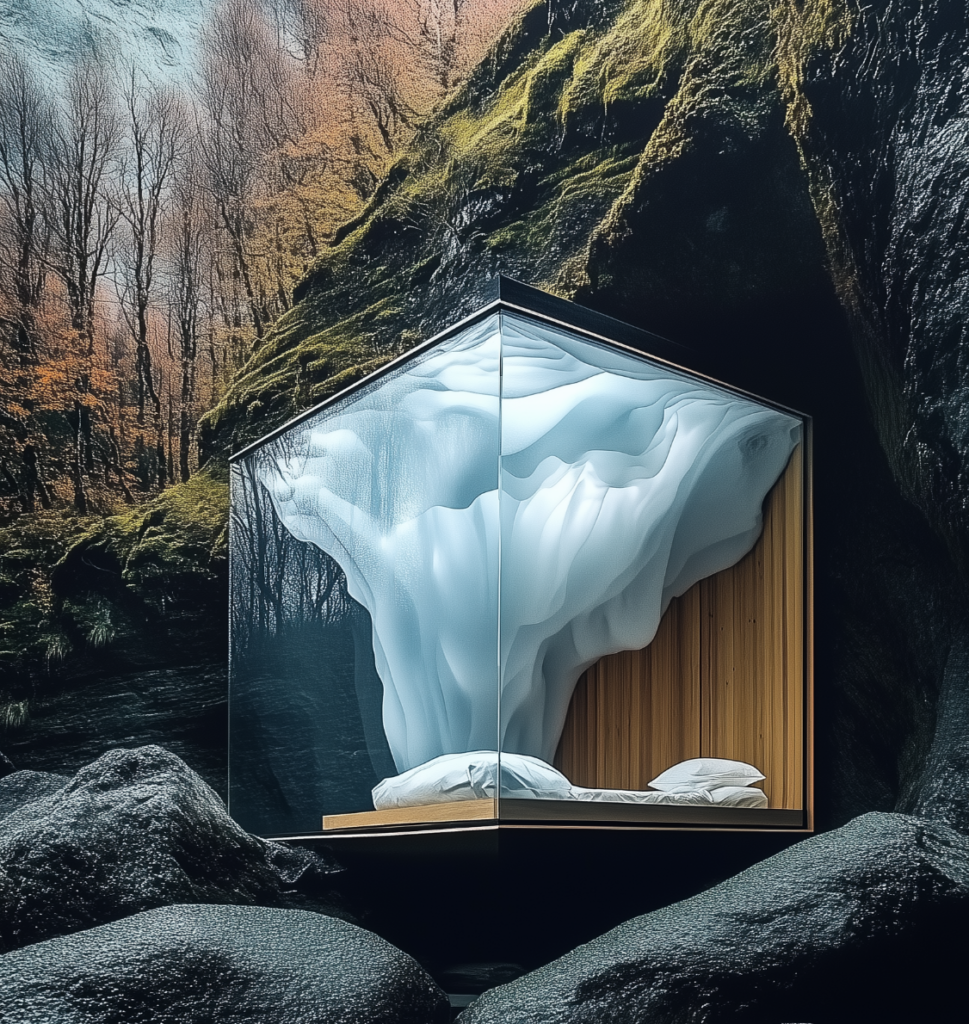
I see AI simply as a modern paintbrush — a tool that extends human creativity rather than replacing it. Technology will keep evolving, and resisting that change is pointless. What matters most is not survival of the fittest, but the ability of people to adapt and work with change instead of against it.
That said, using AI — or any powerful tool — must be guided by clear standards, ethical responsibility, and strong moral values. Everyone has the freedom to create, but that freedom comes with the duty to use these tools thoughtfully and with integrity.

In many ways, AI has shifted traditional creative structures. It empowers individuals to be more independent, giving them access to tools and processes that once required large teams or significant resources. Even so, creativity still thrives through connection, exchange, and shared ideas. The debates around AI art have made me more reflective and intentional in how I use these tools, always aiming to stay authentic and ethically aware in my practice.
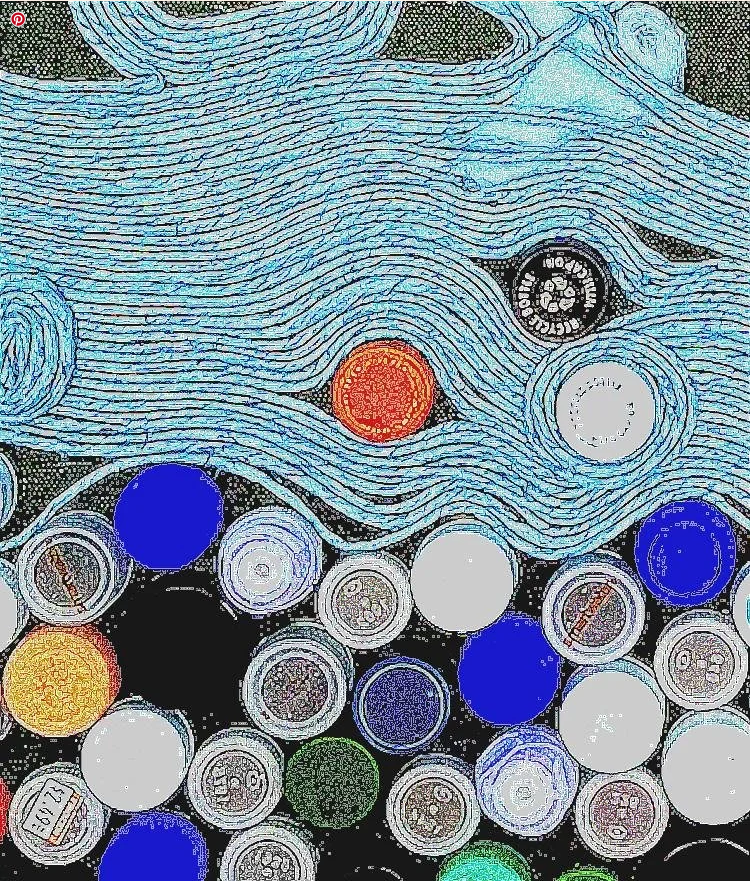
Pebble Workstations
Have there been any surprising or memorable responses to your work?
Yes, I’ve received some truly unexpected and memorable reactions, especially through interactions on my Instagram. It’s fascinating to see how different cultures respond to different parts of my designs. Visually rich, culturally rooted work tends to resonate more strongly in countries like India, Brazil, Egypt, and across the Arab world. Meanwhile, more symbolic, concept-driven ideas often find deeper appreciation in Western countries.
Indigenous Cultural Theme
One moment that stood out was when I shared a design for workstation pods along a river. A tech professional commented that the concept brought him a sense of calm, offering a spatial vision that eased his daily work-related stress. Feedback like that means a great deal to me. It confirms that my designs are not just artistic expressions, but imaginative projections that address real human needs. When a design connects imagination to real solutions, it becomes more than visual appeal — it becomes purposeful.