What I Wish I Knew: Irene Neyman on Freelance Life and Staying Seen
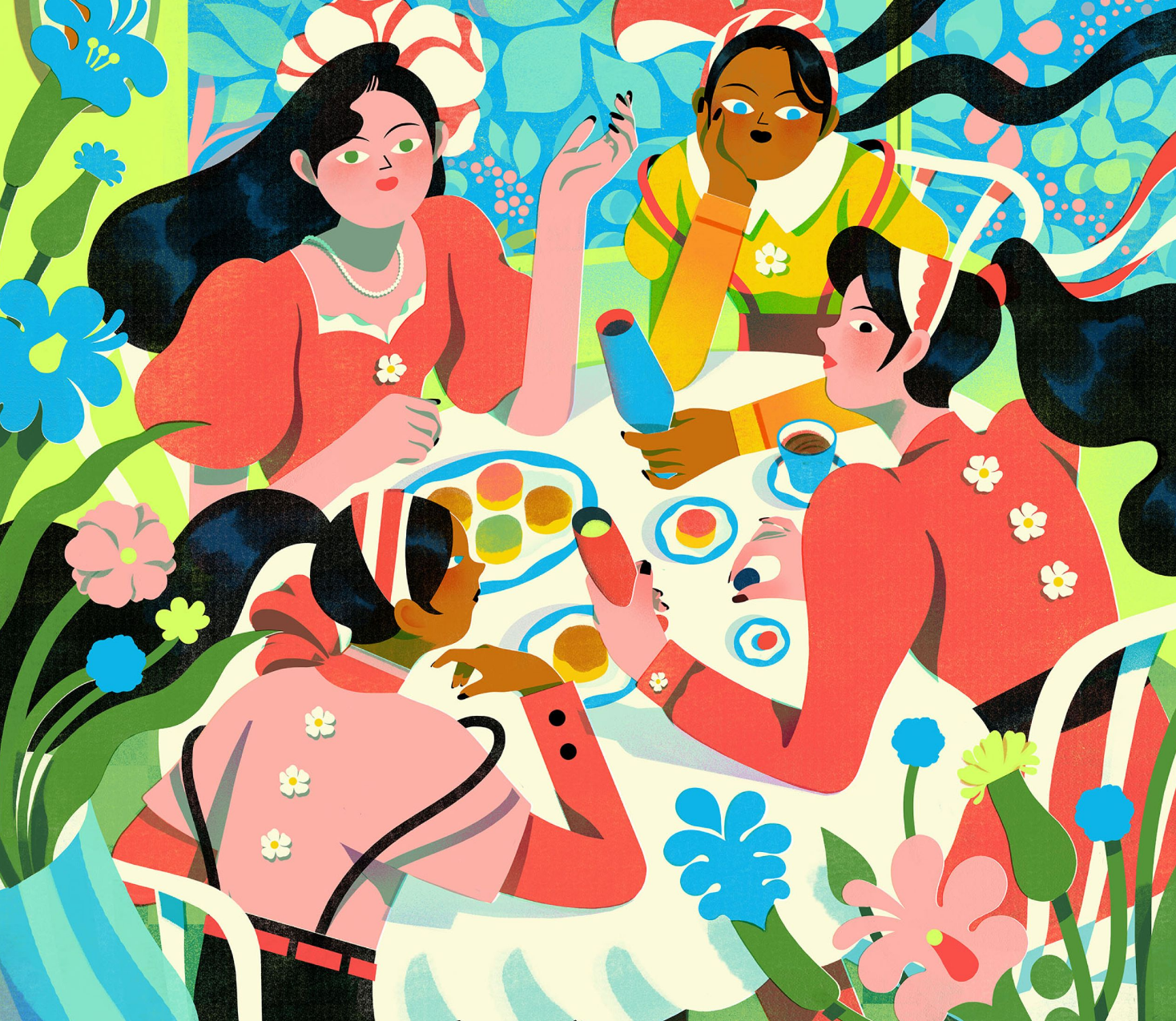
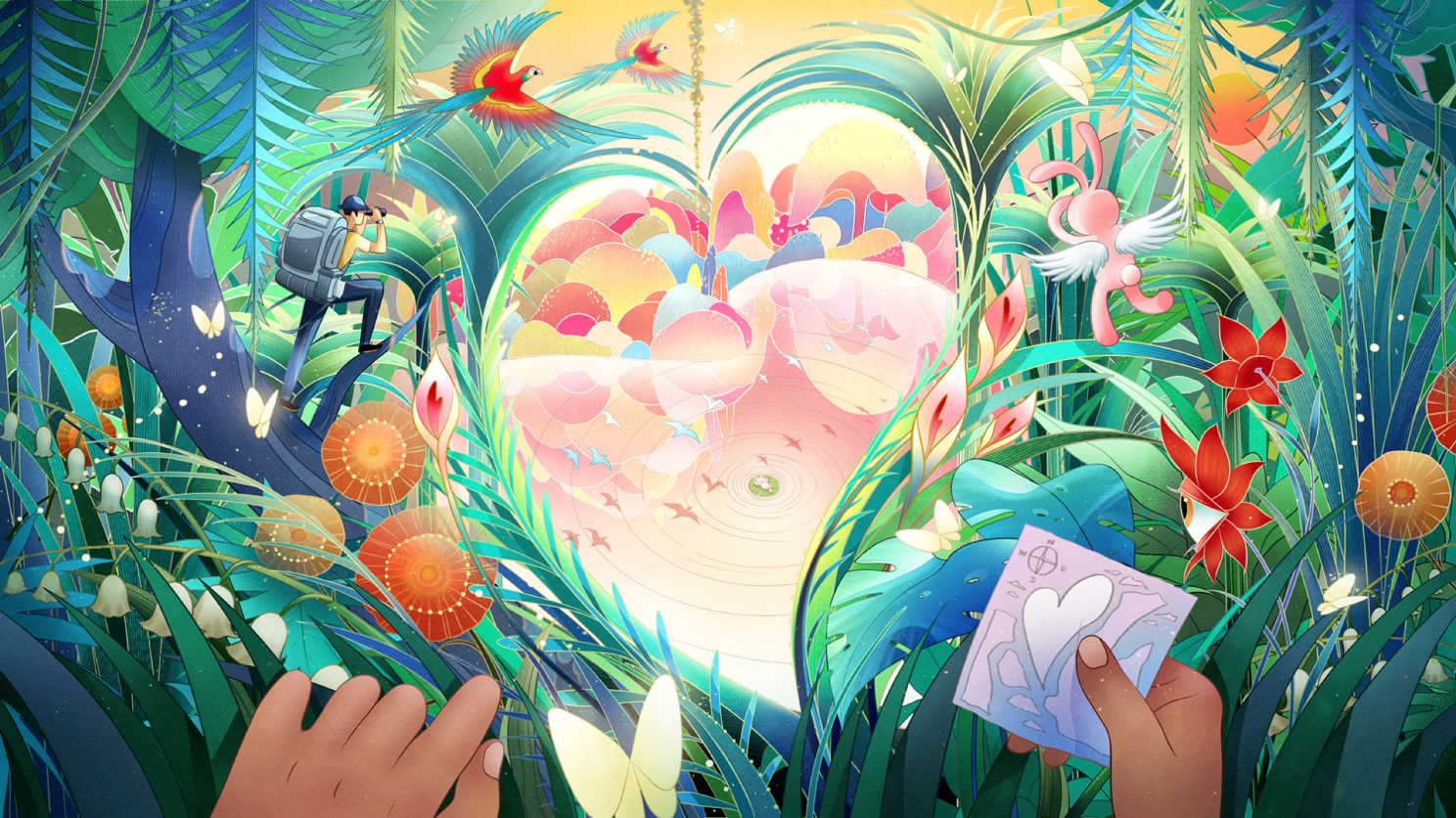
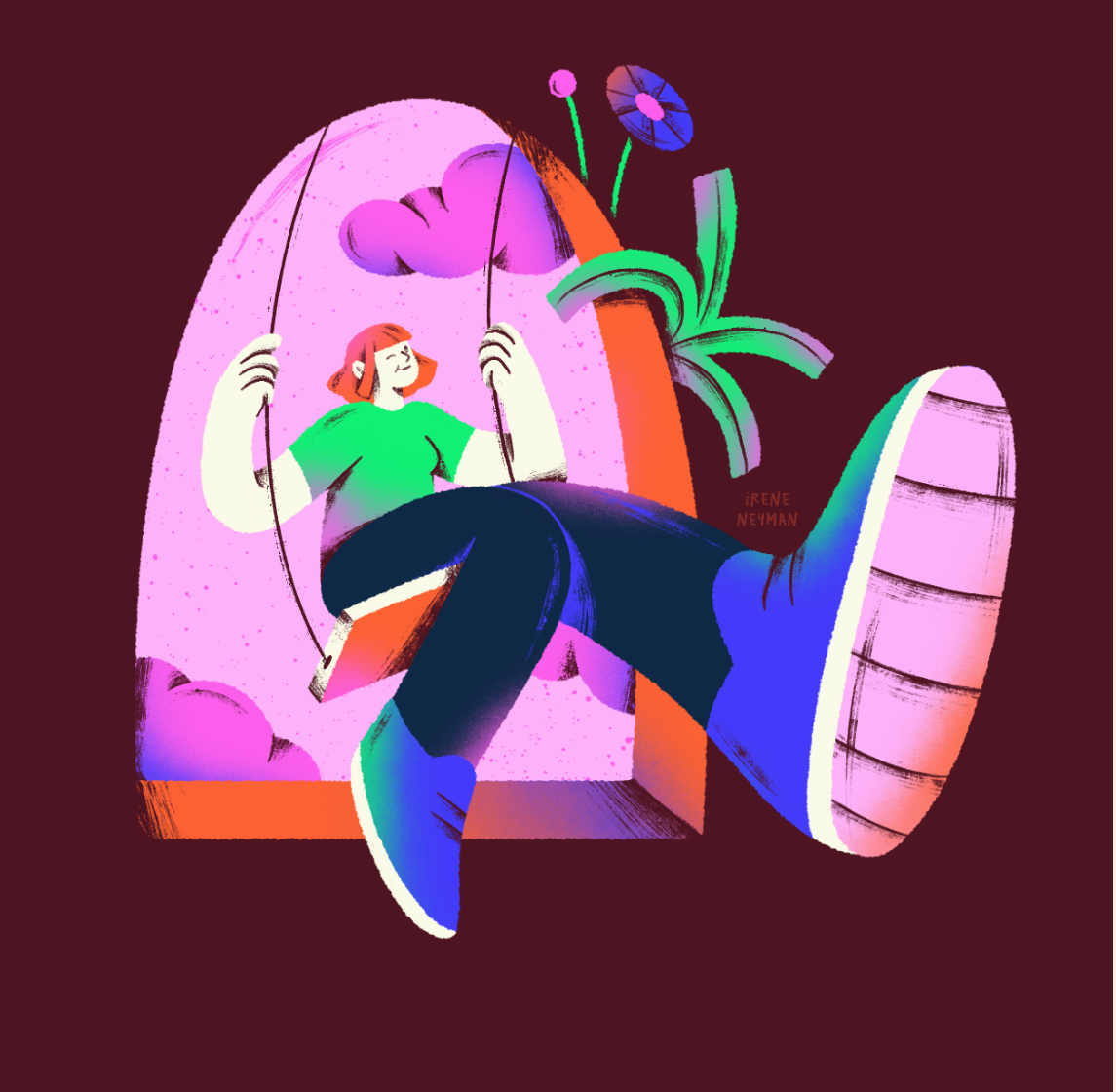
Irene Neyman is a self-taught illustrator and graphic designer based in Calgary, Canada. Her creative work spans commercial illustration, packaging, character design, motion graphics, and editorial projects. With a recognizable style that combines bold colors, clean shapes, and experimental textures, Irene brings clarity and warmth to every project she takes on.
She also runs her own design studio, Deeply, where she collaborates with artists and clients worldwide. Beyond client work, Irene is dedicated to supporting fellow creatives: she offers detailed, intentional consultations to help freelancers manage the business side of the creative industry. For those just starting out, she shares practical tips, lessons learned, and honest reflections through her blog.
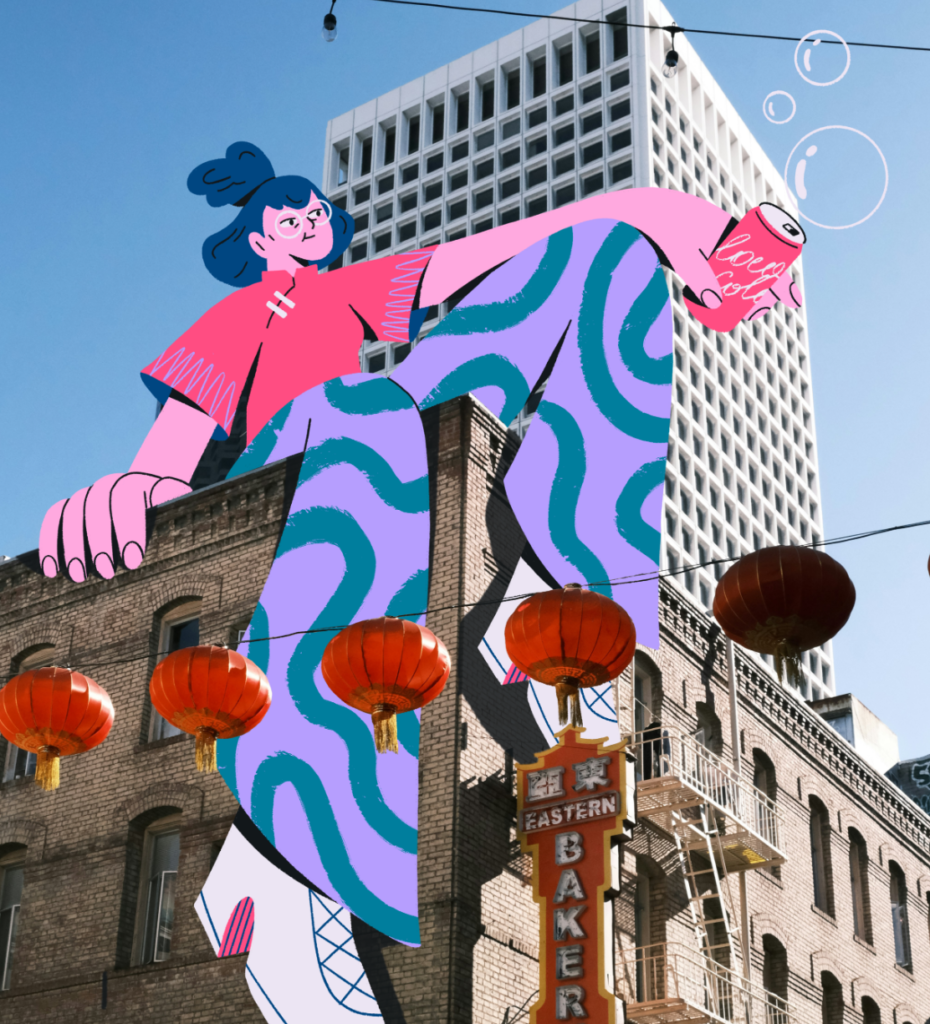
We asked Irene about her art, creative process, and inspirations.
Can you tell us about your background as a digital artist? How did you get started in this field?
I’ve always loved drawing, but for a long time I never imagined it could be my career. My partner saw potential in me and encouraged me to try online courses, and I quickly realized I wanted to pursue design and illustration full-time. At first, I wasn’t entirely sure what direction to take, but my focus gradually came into place. Today, I’ve been working as a commercial illustrator for five years, serving clients all over the globe. I also take on graphic and marketing design projects, meeting client needs even when illustration isn’t the main focus.
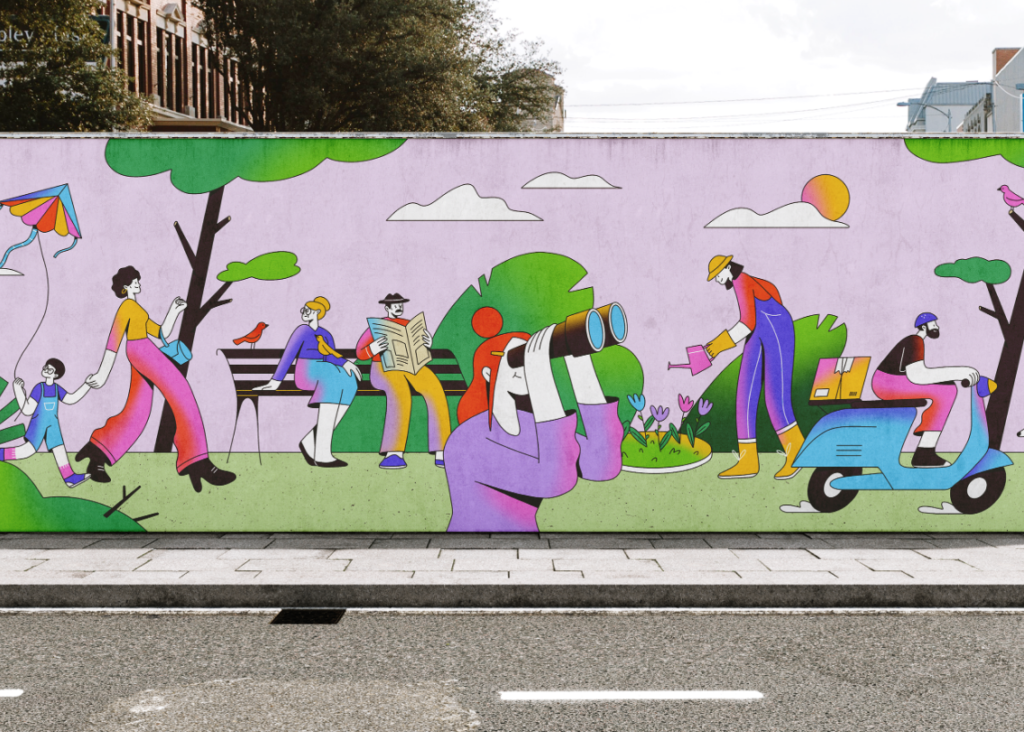
As a self-taught illustrator and graphic designer, what were some of the biggest challenges you faced?
The biggest challenge by far is staying consistently visible. A freelancer’s income depends directly on the number and value of projects, which relies on staying top of mind for potential clients. Juggling roles as a project manager, content creator, and planner while also maintaining personal portfolio work and responding to client inquiries can feel overwhelming for one person. But this challenge also motivates me and helps me grow — I’m always working to strengthen my online presence and build my reputation.
Work-life balance is another struggle. As a freelance designer working from home, my professional and personal lives share the same space, which often makes it hard to fully disconnect and rest once work is done. But I’m actively working on setting better boundaries.
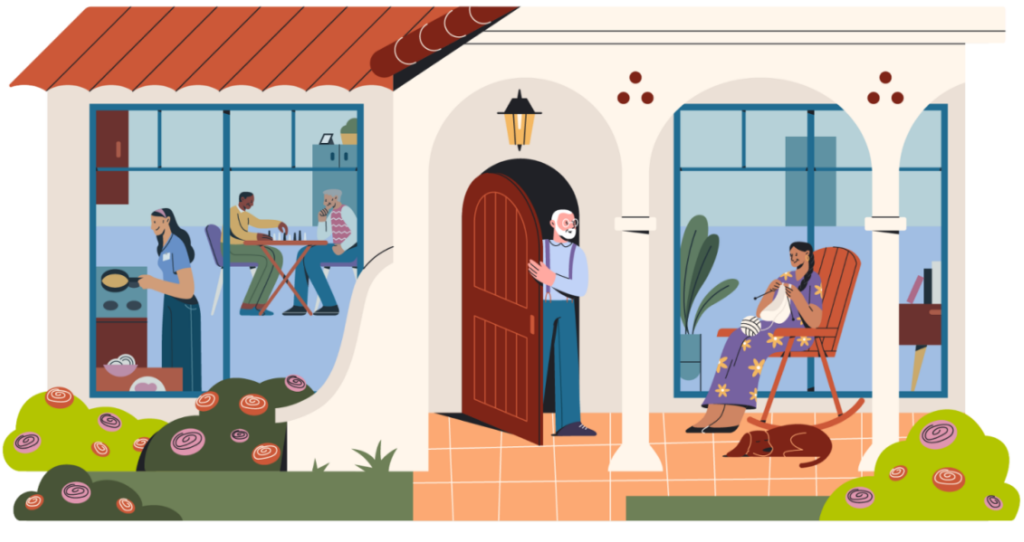
You work across various mediums, from editorial to packaging design. Do you have a favorite, and how do you adapt your style to different formats?
A while back, I tried to narrow down how I applied my illustrations, but I soon realized it wasn’t necessary. As a professional illustrator, I enjoy exploring different areas where my art can live. It’s incredibly exciting to see my work featured on packaging, a company website, or a blog cover — it still feels like a series of small “wow” moments that keep me inspired.
Every project is unique, and the key is understanding how to adapt my skills to fit a specific medium. That means asking the right questions during the client briefing stage to align my style and techniques with their needs.
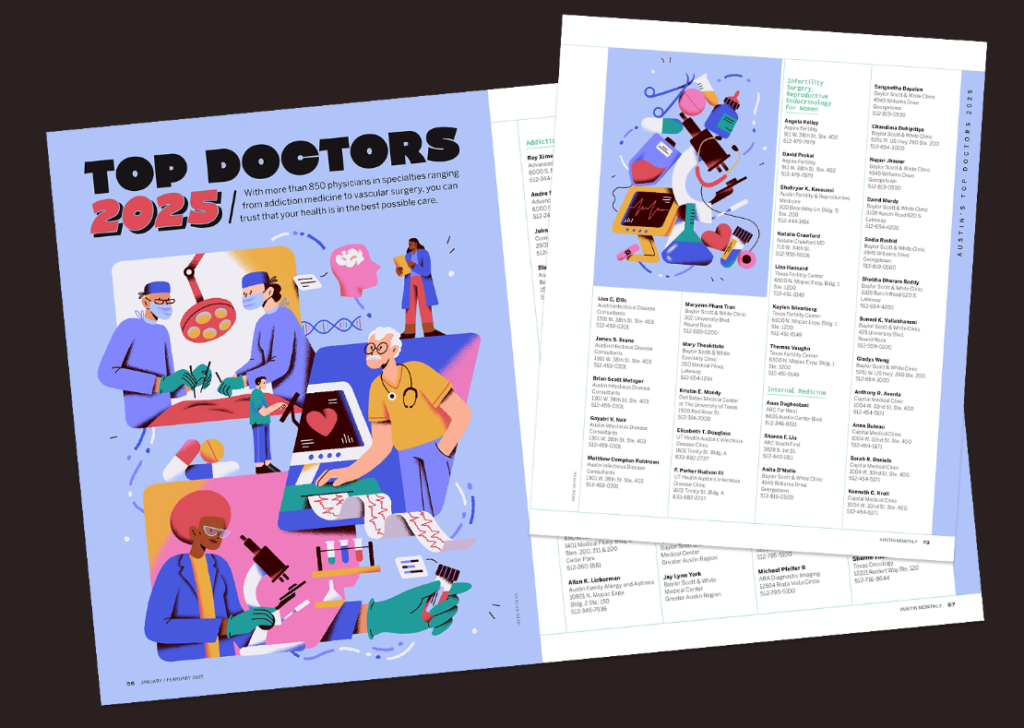
One of my favorite areas is brand illustration. It’s a broad field, but it ties directly into a company’s identity and positioning. I love these projects because the work has to support the business long-term, not just serve a single use or moment.
How did you start offering coaching sessions, and what do you enjoy most about mentoring other illustrators and designers?
Every creative has hundreds of questions, fears, and doubts — things we just want to talk through with someone who gets it. When I was starting out, I had so many questions but no one to ask, and the artists I looked up to didn’t offer guidance at the time.
Eventually, I noticed other creatives reaching out to me about freelancing topics. I never wanted to leave their questions unanswered, but I also didn’t want to give rushed, superficial replies. So I decided to offer dedicated one-on-one time, focusing fully on their individual challenges and goals. It’s been a great fit. I offer discounted sessions for students and stay flexible with call formats, even beyond what’s listed on my site. I spend a lot of time preparing for each consultation to make sure my advice is meaningful and actionable.
For those who aren’t ready for one-on-one coaching, I run a blog where I share short tips, mistakes I’ve made, and other lessons that can help freelancers — and really any creative entrepreneur.
What I love most is seeing people actually apply what I suggest and watching the results. Being passionate about your work is such a gift, and I’m grateful to be part of that journey by answering the tough, everyday questions in this industry.
What advice would you give to aspiring self-taught illustrators looking to break into commercial work?
Don’t be afraid to ask questions. Many people you look up to are happy to help. And don’t be afraid to experiment. If you want to work commercially, it’s important to understand who you’re creating for and how the work will function in its final space. What problem is it solving? How does it fit with the brand’s overall identity? What can be refined?
Test ideas through personal projects first, then apply them to real client work. It will make the process much smoother as you build your career.