How AI and Creative Tools Are Empowering Artists and Visitors in Modern Digital Exhibitions
We’re in an exciting era of digital transformation, and the art world is right at the heart of it. The classic gallery visit has grown far beyond framed paintings on walls or sculptures on pedestals. Modern exhibitions are immersive, interactive, and tech-shaped, whether experienced in person or online. Technology is no longer just a backdrop — it’s an active part of the creative journey itself.
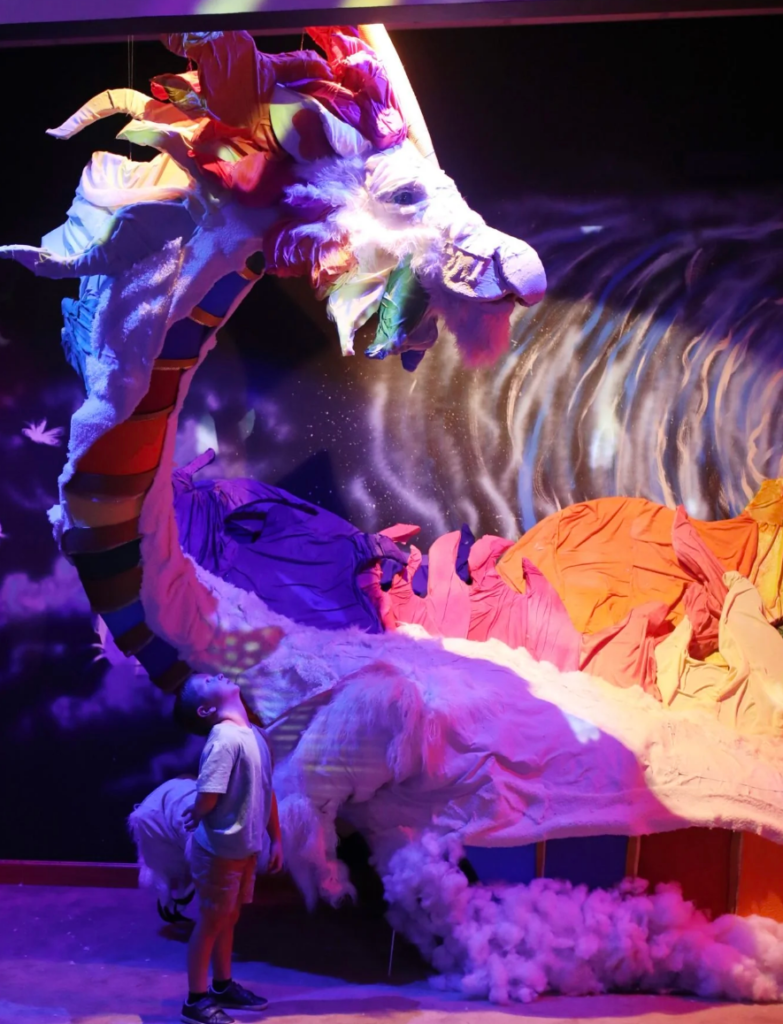
Across this new generation of immersive art spaces, one trend stands out: artists and curators are using AI and digital tools to build shows that are more inclusive, accessible, and unforgettable. These tools are creating fresh ways for people to connect with art, customize their visits, and even join in the creative process firsthand.
Bringing Art to Life Through AI
AI is becoming a meaningful part of how exhibitions are conceived and brought to life. It acts as a creative collaborator for artists and curators, suggesting ideas that match audience interests, strengthening visual storytelling, and even helping shape exhibition layouts.
For instance, AI can study how visitors move through a space and recommend artworks or programs tailored to their tastes. This level of personalization turns passive viewing into a deeper, more meaningful experience.
One standout advance in digital storytelling is the AI video generator. This tool lets artists and cultural organizations quickly create high-quality promotional videos, artist interviews, and behind-the-scenes content — no full production crew required. By automating editing, scripting, and visual effects, it simplifies production, saves time, and cuts costs. Best of all, it creates emotionally resonant content that draws audiences in long before they step through the gallery doors.

Personalized Takeaways: A Tangible Link in the Digital Age
A big challenge in digital exhibitions is creating a lasting personal connection — something visitors can hold onto, physically or emotionally. More shows are solving this by letting guests take home custom print cards.
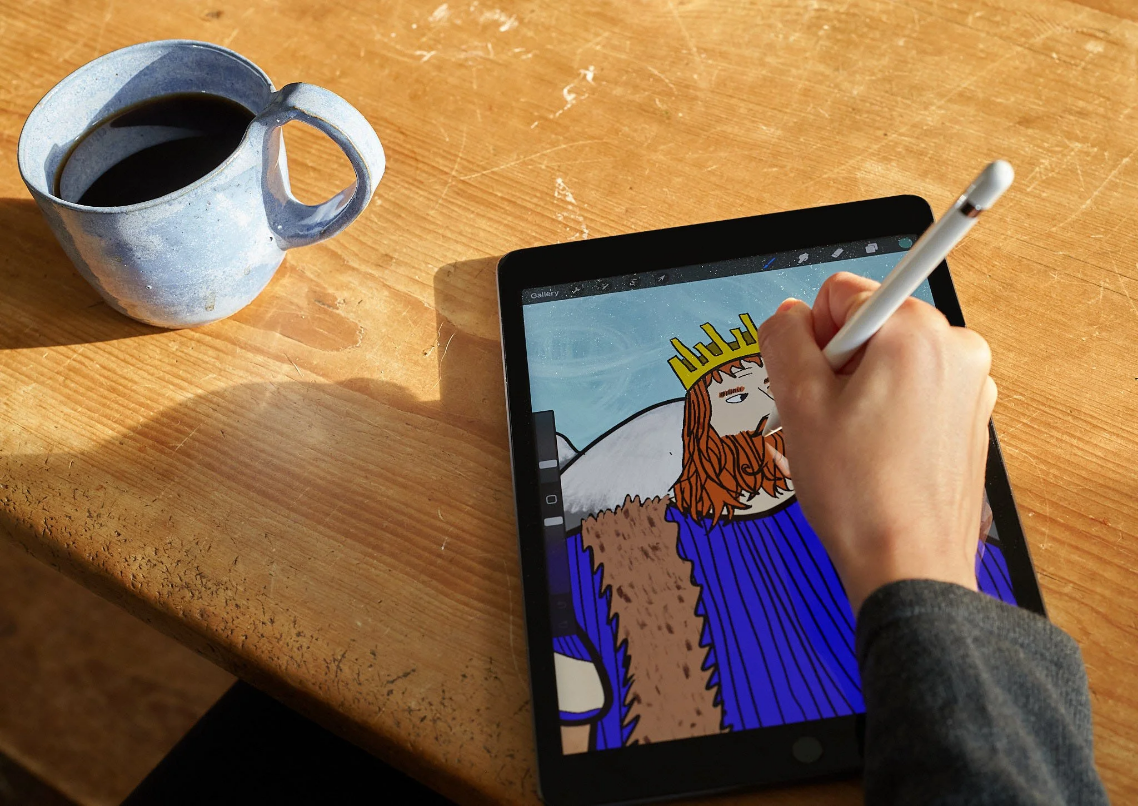
These cards might feature a favorite piece, an artist quote, or a photo taken inside the exhibit. Many venues include them as part of general admission, especially in family-friendly or educational spaces where kids can design their own souvenirs. Using basic design tools, visitors add images, text, and filters to make one-of-a-kind keepsakes.
Most people pin them on boards, stick them on refrigerators, or share them online, keeping the art experience alive long after the exhibit ends.

Enhancing the Visitor Journey
AI and digital tools are thoughtfully woven into the visitor experience. Imagine entering an exhibit and being greeted by an AI concierge that builds a custom tour just for you. This kind of personalization deepens engagement and turns a standard gallery visit into something exploratory and fully immersive.
Touchscreens, virtual guides, and QR codes are now standard, giving visitors instant access to artist bios, related works, and process videos. For younger or tech-friendly guests, this interactive layer turns the visit into a playful, gamified adventure that sparks curiosity.
Empowering Artists and Curators
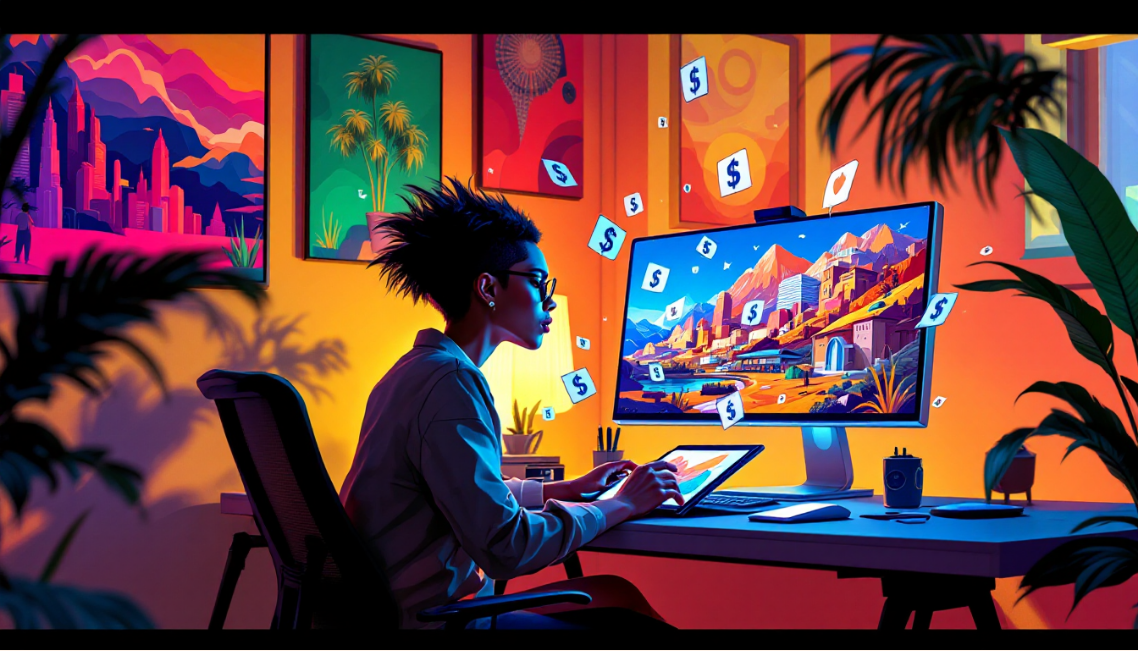
Artists are using AI in countless creative ways: brainstorming ideas, planning compositions, testing color palettes, and even drafting written content. These tools don’t replace human creativity — they amplify it, acting as digital collaborators that open up new creative paths.
Curators also rely on AI to refine exhibition design and audience experience. Tools that track visitor movement, time spent at each piece, and feedback help curators improve future shows for stronger engagement. Behind the scenes, AI streamlines inventory, archiving, and managing digital collections far more efficiently than traditional methods.

Case Study: Immersive AI in Action
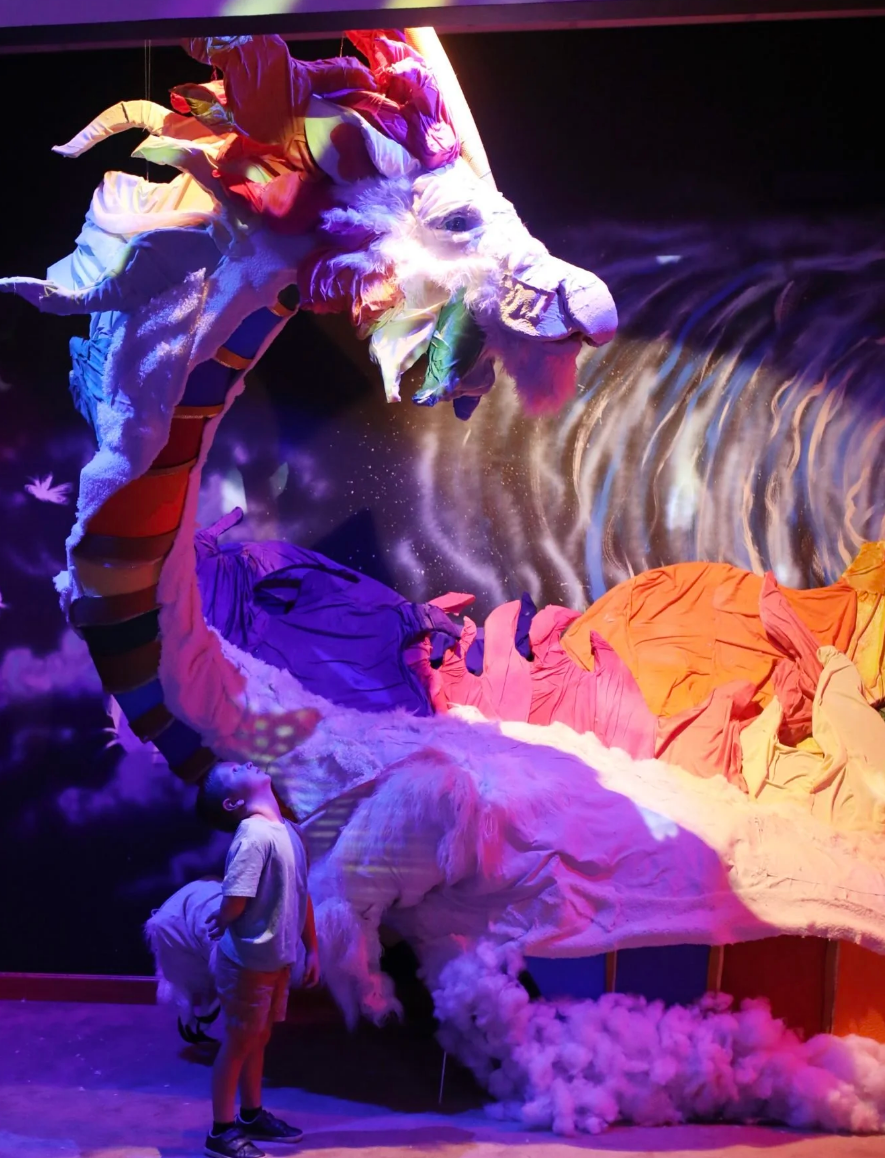
Take Dreamscapes, a touring digital art exhibit that traveled across Europe. Its creators used AI-generated soundscapes and responsive lighting to build a fully multisensory environment. Visitors used kiosks to design their own art cards, picking colors, shapes, and abstract forms that captured their experience. They could take home a physical print or receive a digital copy directly.
The team also used AI to make teaser trailers, artist spotlights, and highlight reels — all shared on social media to build buzz and keep audiences engaged. As more people revisited their memories and shared their creations, a real sense of community grew around the exhibit.
Looking Ahead: A New Era of Access
AI and creative tools are making the art world more open to everyone. For visitors with disabilities, these tools offer alternative ways to engage, such as text-to-speech guides, interactive captions, and hands-free navigation. These features make exhibitions more inclusive and welcome a broader range of voices and participation.
There’s also a sustainability benefit. Digitizing parts of an exhibit cuts down on waste and lowers production costs while still delivering a rich, powerful experience — a win for both audiences and institutions.
Final Thoughts
As digital exhibitions become mainstream, AI and creative tools are shifting from novelty to necessity. From automated promotional content to personalized keepsakes, technology is expanding how we experience art.
The most inspiring part is how these tools bring artists, curators, and visitors closer to the creative process. This isn’t just the future of art exhibitions — it’s the present. And it’s making the art world more engaging, accessible, and imaginative for everyone.